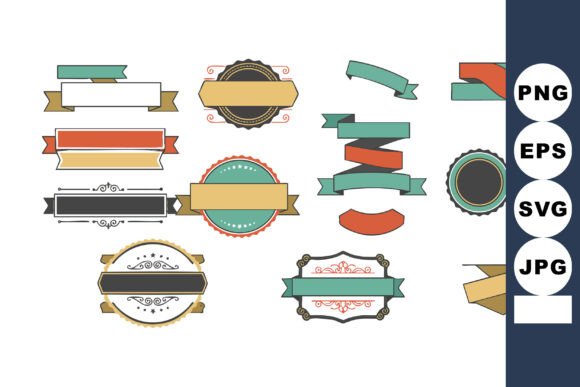
Vintage Style Decorative Banners Ribbons: A Timeless Graphic Design Asset
As a seasoned graphic designer, I often find myself sifting through design assets to support client projects. When I came across Vintage Style Decorative Banners Ribbons, it immediately caught my eye—not just for its aesthetic charm, but for the way it could elevate the visual language of various creative endeavors. This vector collection offers a unique blend of nostalgia and elegance that feels both intentional and versatile.
Elegance Meets Practicality in Creative Design
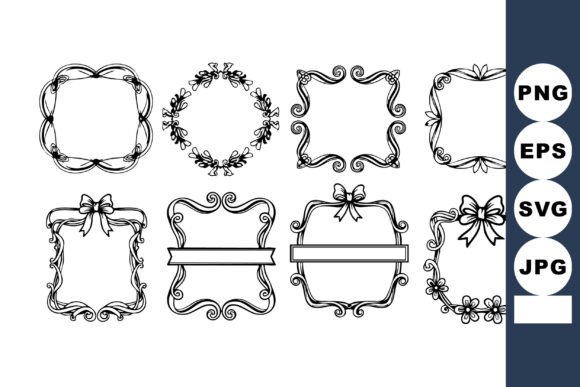
The first thing I noticed about this design asset is the classic mood it exudes. The pastel color palette—soft pinks, creamy yellows, and gentle greens—adds a warm, vintage feel without overwhelming the composition. These colors are not only pleasing to the eye but also incredibly flexible when paired with different fonts or brand elements. Whether you're crafting an editorial layout or designing packaging for a handmade business, these banners and ribbons bring a refined touch that can subtly enhance the overall atmosphere.
The arrangement of elements within the ZIP file is well-organized, making it easy to locate the right illustration for your project. With SVG, EPS, and JPG formats included, there's flexibility for digital use as well as print applications. As a designer who works across platforms, this level of accessibility is crucial. It allows me to integrate the graphics into everything from Canva templates to Cricut projects without worrying about format limitations.
Aesthetic Versatility in Branding Projects
When evaluating a graphic design asset for real-world use, I consider how it might support different aspects of branding. Vintage Style Decorative Banners Ribbons could be used effectively in product labels, social media posts, or even as part of a logo system for a boutique line. Their ornate yet balanced nature makes them suitable for adding subtle texture to otherwise clean designs, especially in sectors like stationery, lifestyle products, or seasonal campaigns.
- Logo Design: These illustrations work best as supporting elements rather than central components. They can frame a brand’s name or highlight key messaging in a subtle, elegant manner.
- Brand Identity: Ideal for small businesses aiming to create a whimsical or artisanal identity. The vintage style aligns well with brands focused on heritage, tradition, or handcrafted goods.
- Packaging Design: Especially useful for gift items, greeting cards, or luxury packaging where a decorative flourish adds perceived value and visual interest.
- Social Media Graphics: The soft tones and intricate details make them perfect for hero sections of Instagram posts or Pinterest pins that require a bit of flair without being garish.
Real-World Application and Visual Hierarchy
In practice, I’ve found that Vintage Style Decorative Banners Ribbons perform exceptionally well in larger layouts such as posters, flyers, and website headers. For example, when working on a local event poster for a retro-themed boutique pop-up, these banners helped establish a cohesive theme while maintaining readability. However, I must emphasize that using them in small sizes or crowded compositions can lead to clutter and reduced legibility.
One of the standout qualities of this design bundle is how it supports visual hierarchy. When placed strategically—such as beneath a headline or around a call-to-action button—it guides the viewer’s attention without competing with the main message. That said, they should be used sparingly to avoid overpowering more critical design elements.
Commercial Use Considerations
Before integrating any design asset into a commercial project, it’s essential to confirm the licensing terms. This set includes a commercial license, which means it can be used in both digital and print-on-demand ventures, including Etsy products, stickers, t-shirt designs, and web graphics. Always double-check the specific permissions to ensure alignment with your client’s usage plans.
Another practical note is to test the PNG transparency if applicable. In some cases, designers may prefer a layered look or need to overlay the banner on a custom background. While the JPG version is great for quick mockups, the SVG and EPS files allow for full scalability and customization. I recommend opening these vector files in Adobe Illustrator or Inkscape to evaluate their editability and layer structure before finalizing a design.
Design Harmony and Emotional Appeal
These banners and ribbons contribute significantly to the emotional appeal of a project. The vintage aesthetic evokes a sense of warmth, authenticity, and timelessness—qualities that resonate well with audiences looking for nostalgic or artisanal experiences. For a handmade brand launching a new product line, this kind of visual storytelling is invaluable.
However, the same characteristics that make this asset charming could clash with more modern or minimalist branding styles. If your client is targeting a professional corporate audience or prefers a sleek, contemporary look, these illustrations might not be the best fit. But for a blog post, editorial spread, or craft-based product launch, they’re a perfect match.
Use with Caution in Specific Contexts
While Vintage Style Decorative Banners Ribbons can add depth to many projects, there are situations where they should be used carefully:
- Small Sizes: The fine detailing becomes less effective at lower resolutions or smaller scales, potentially leading to a muddy appearance.
- Crowded Layouts: Adding too many banners or badges in one area can disrupt the visual flow and overwhelm the user experience.
- Complex Backgrounds: Because of their intricate patterns, these assets can lose clarity if placed over busy textures or gradients.
- Minimalist Branding: The ornate style doesn’t align with ultra-clean or modern aesthetics, so pairing them with sans serif fonts or geometric logos might feel incongruous.
Typography Pairings and Design Consistency
One of the most important aspects of using this asset is ensuring it complements the typography in your design. During my testing phase, I experimented with several font styles:
- Serif Fonts: Worked beautifully, creating a harmonious balance between the text and the illustrations.
- Sans Serif Fonts: Slightly clashed due to the contrast in style, though adjustments in scale or placement helped mitigate this.
- Script & Handwritten Fonts: Enhanced the vintage vibe, making the design feel more personal and crafted.
- Display Fonts: Required careful spacing and sizing to prevent the banners from becoming lost in the composition.
Overall, the asset pairs best with typographic choices that lean toward the traditional or decorative side. It helps maintain brand consistency by reinforcing the thematic elements of the visual identity, especially when used alongside other vintage-style design assets.
Testing Across Platforms and Formats
To get a true sense of how Vintage Style Decorative Banners Ribbons will perform in real client work, I tested them across multiple platforms:
- Print Quality: When printed on high-quality materials like matte paper or fabric for tote bags, the colors remained vibrant and the lines crisp.
- Digital Mockups: Placed on a variety of product mockups—from mugs to apparel—the design maintained its clarity and didn't bleed or pixelate.
- SVG Editability: The vector files were easy to modify, allowing for color changes, scaling, and integration into existing artwork without losing quality.
- Black and White Conversion: Surprisingly, the design retained much of its character when desaturated, making it adaptable for monochrome branding or sublimation projects.
Where This Asset Shines
I've found that Vintage Style Decorative Banners Ribbons truly shine in the following areas:
- Hero Graphics: Perfect for large-scale visuals where they can be appreciated for their detail and craftsmanship.
- Themed Collections: Adds a cohesive, curated look to seasonal marketing materials or themed merchandise sets.
- Printable Designs: Works wonders for printable wall art, planners, or calendars where a tactile, hand-drawn feel is desired.
- Editorial Design: Great for book covers, magazine spreads, or blog headers that aim to evoke a storybook or artisanal tone.
- Invitations and Merchandise: Offers a decorative yet tasteful option for wedding invites, thank-you cards, or branded stickers.
For digital sellers and content creators, this asset can serve as a foundational element in building a consistent visual identity across platforms. Its adaptability ensures it can be used in both static and animated designs, depending on the platform and tools available.
Why It's a Valuable Addition to Your Toolkit
What makes Vintage Style Decorative Banners Ribbons stand out is its ability to add emotional weight and visual sophistication to a wide range of projects. As a graphic design asset, it bridges the gap between illustrative creativity and functional design, making it a go-to for those who want to infuse a sense of history and elegance into their work.
Its pastel tones and classical motifs give it a softness that contrasts nicely with bold headlines or minimalist layouts. This duality allows designers to build more dynamic compositions while still maintaining a clear visual hierarchy.
Additionally, the fact that it's part of a downloadable ZIP package with multiple file types makes it accessible for all skill levels—from beginners using Canva templates to advanced users crafting custom Cricut projects. It’s also worth noting that the clean line work and lack of overly complex shading help preserve professionalism, even in more decorative settings.
Final Thoughts for Creative Professionals
After thorough evaluation and testing, I’m confident that Vintage Style Decorative Banners Ribbons is a valuable resource for designers, marketers, bloggers, and small business owners alike. It brings a refined, classic mood to digital and print projects, helping them stand out in a crowded creative marketplace.
If you're working on a boutique product line, a seasonal campaign, or anything requiring a delicate balance of decoration and functionality, this design asset deserves a spot in your workflow. Just remember to always consider the context—both stylistic and technical—to ensure it enhances your project rather than hinders it.