Vintage Floral Decorative Vector Element for Polished Editorial Graphics
As a seasoned blog designer and digital publisher, I’m always on the lookout for design assets that elevate content visuals without overwhelming them. Recently, I tested Vintage Floral Decorative Vector Element in a range of publishing scenarios—from website headers to newsletter banners—and found it to be an excellent fit for projects needing a touch of elegance and classic charm.
Elegant Visuals with Timeless Appeal
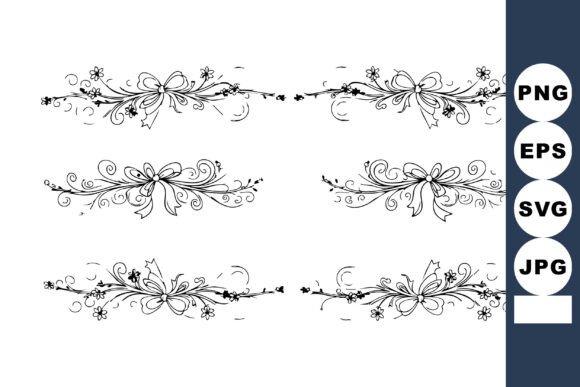
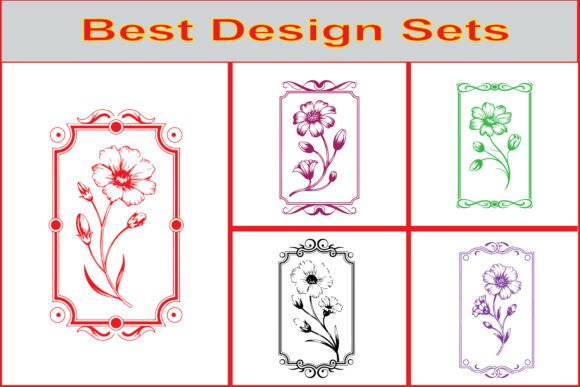
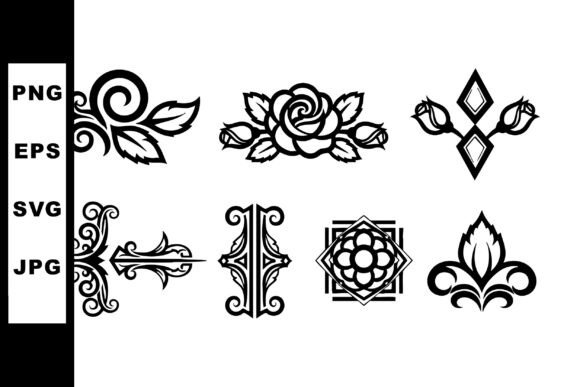
The first thing that struck me about this set is its refined aesthetic. Featuring intricate floral motifs and ornamental embellishments, it brings a sense of craftsmanship and nostalgia that’s often missing from modern design libraries. The vintage style instantly conveys a timeless mood, which makes it particularly appealing for lifestyle blogs, fashion magazines, wellness websites, and other niches where aesthetics play a key role in reader engagement.
Visually, the elements feel feminine yet professional. They don’t lean too far into kitsch or overly decorative styles, which means they can easily integrate into more editorial-grade layouts. This balance is crucial when building trust with readers—especially if your content is educational or aspirational in nature.
Editorial Mood and Niche Fit
- Lifestyle-focused: Perfect for home décor, fashion, beauty, and travel content.
- Artistic & Seasonal: Ideal for holiday-themed posts, seasonal guides, or themed content calendars.
- Classic Branding: Great for small businesses or bloggers aiming to build a sophisticated visual identity.
Real-World Applications in Content Publishing
In my workflow, I’ve used these elements across multiple platforms and formats. Here are some of the most effective use cases I discovered:
Blog Featured Images
Adding subtle floral accents to featured images helps create a stronger first impression. These elements work especially well when placed at the bottom corner of a hero image, reinforcing a soft, elegant tone that aligns with the content’s message. For example, pairing a vintage floral border with a headline like “Timeless Travel Tips” adds just the right amount of visual interest without distracting from the main text.
Pinterest Pin Design
Pinterest thrives on visually rich, scroll-stopping content. By using Vintage Floral Decorative Vector Element as overlays or background textures, I was able to enhance the perceived value of pins. The ornate details give a handcrafted feel that appeals to users browsing for inspiration in areas like interior design, wedding planning, or personal style.
Newsletter Headers and Banners
Newsletters benefit greatly from consistent branding. I incorporated the floral vector set into email headers and banner designs, which helped establish a cohesive brand identity across different communication channels. The elements also served as dividers between sections, making the layout cleaner and easier to scan.
Downloadable Resources and Lead Magnets
When designing lead magnets like printable planners or digital guides, these vectors added a layer of professionalism. Their classic look made the resource feel exclusive and thoughtfully curated, encouraging downloads and sign-ups. I even used them in media kits for clients who wanted to maintain a high-end visual presence in press releases and collaborations.
Website Category Thumbnails and Social Previews
These graphics were a hit in category thumbnails and social media previews. They helped differentiate sections of a blog while maintaining a unified theme. Readers quickly associated the floral patterns with specific topics like “Wellness,” “Weddings,” or “Spring Recipes,” improving category recognition and click-through potential.
Canva Templates and Creative Marketplace Assets
I experimented with embedding these elements into Canva templates for client use. They provided flexibility for customization and gave users a head start in creating polished content pages. In creative marketplaces, such assets are highly valuable for those selling printables or digital products targeting niche audiences like stationery lovers or event planners.
Performance Benefits for Content Creators
Using Vintage Floral Decorative Vector Element isn’t just about looks—it has tangible performance benefits in content marketing and web design:
- Stronger First Impression: The ornate detail immediately draws attention and signals quality.
- Clearer Visual Hierarchy: When layered behind text or around icons, they help organize information without being intrusive.
- Better Click-Through Potential: On Pinterest and Instagram, these visuals stood out among generic stock photos.
- Consistent Branding: Repeated use across blog graphics and downloadable resources builds a recognizable brand identity.
- Improved Reader Trust: The classic, well-crafted appearance gives a sense of reliability and curation.
- Strategic Use in Affiliate Marketing: For affiliate product pages, the vintage flair softened the salesy tone, making the content feel more organic.
Where It Shines: Key Publishing Zones
Here are the top spots where I recommend placing Vintage Floral Decorative Vector Element in your content strategy:
- Hero Images: As subtle background textures or frame accents.
- Article Thumbnails: To add depth and character to post previews.
- Pinterest Pins: Either as overlays or in the corner for visual continuity.
- Blog Graphics: Especially for how-to posts, listicles, or inspirational roundups.
- Content Upgrades: Enhance free digital downloads like PDF guides or worksheets.
- Category Visuals: Create distinct visual markers for blog sections or topic hubs.
- Lead Magnet Covers: Use as borders or page dividers in opt-in resources.
Use with Caution: Where Less Is More
While this asset is incredibly versatile, there are certain contexts where it might not perform optimally:
- Small Mobile Thumbnails: The intricate details can become lost or blurry at lower resolutions.
- Text-Heavy Blog Images: Overusing these elements may reduce readability, especially if the text sits atop them.
- Low-Contrast Backgrounds: Be mindful of color combinations—floral elements need enough contrast to stand out.
- Busy Layouts: Avoid clutter by using only one or two elements per graphic to maintain focus.
- Serious Professional Niches: Industries like finance, law, or corporate training may find the vintage aesthetic too informal.
- Corporate Content or Minimalist Sites: The ornate style doesn’t blend well with ultra-modern or stark visual systems.
Practical Publisher Notes for Real Workflows
To ensure the best results, I followed these steps when integrating the Vintage Floral Decorative Vector Element into real projects:
- Test on Desktop and Mobile: Make sure the floral accents scale well and remain legible across devices.
- Check Thumbnail Performance: How do the elements render when compressed? Do they still look sharp?
- Preview in Real Blog Layouts: See how they interact with fonts, spacing, and other design components.
- Test with Headline Text: Ensure the placement of floral elements doesn’t interfere with important messaging.
- Review Contrast and Readability: If using over text blocks, confirm that the design supports—not hinders—readability.
- Try Black and White Versions: Vintage florals often hold up well in grayscale, adding versatility for print or monochrome themes.
- Pair with Different Fonts: Test beside serif, sans serif, script, handwritten, and display font styles to see what harmonizes best.
- Optimize File Size: Even though it’s a vector, exported versions should be compressed for web performance, especially in large batches.
- Confirm Commercial Licensing: Before using it on monetized sites, affiliate pages, or paid digital products, always verify that you have the correct commercial license.
Why This Asset Belongs in Your Design Toolkit
For publishers looking to infuse their site with warmth and personality, the Vintage Floral Decorative Vector Element offers a compelling way to achieve that without compromising professionalism. Whether you're designing an eBook cover, crafting a seasonal lead magnet, or simply enhancing the visual hierarchy of a blog post, these illustrations provide the kind of texture and sophistication that separates good design from great.
They’re not just pretty—they serve a purpose. From improving brand identity to supporting visual storytelling, this vector set proves that thoughtful design choices can significantly impact user experience and content performance. Just remember to apply them strategically and always test within the context of your real-world publishing needs.