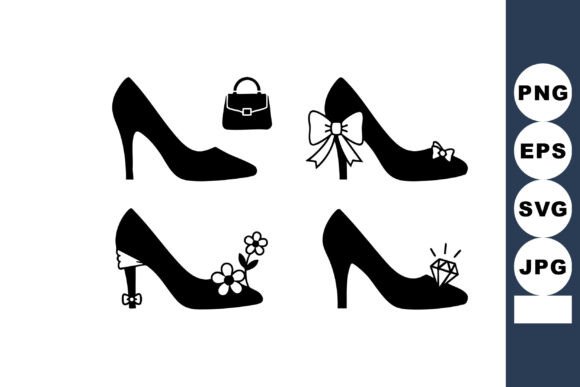
High Heel Shoes with Decorative Accesor
As a designer who’s worked with countless embroidery files, I’ve learned to approach new designs with both curiosity and caution. When I first saw High Heel Shoes with Decorative Accessor, it struck me as a design that could bring elegance and flair to a variety of projects. The black silhouette of the high heels paired with delicate bows, flowers, and diamond rings in vector style suggests a clean, minimalistic fashion theme. It’s not overly complex, but it carries enough visual personality to stand out without overwhelming the fabric or the viewer.
First Impressions and Design Personality
The visual mood of this design is undeniably sophisticated. It feels like something you’d see on a luxury boutique label or a high-end fashion accessory. The use of decorative elements—like floral accents and shiny rings—adds just the right amount of detail to elevate the simple heel shape into something memorable. This makes it ideal for handmade products where subtle yet stylish embellishments are key.
What stands out most is how well the design balances simplicity and charm. As an embroidery file, it doesn’t scream for attention but rather invites the eye to linger and appreciate the craftsmanship. That kind of restraint is rare in today’s fast-paced design world, and it’s a quality I always look for when selecting assets for client work or my own creative projects.
Where This Design Fits Naturally
I can already picture this design on a few different items. A custom sweatshirt with this motif would make a bold statement while still maintaining a sense of refinement. For tote bags, especially those intended for gifting or boutique retail, the elegant layout works perfectly. Even on smaller items like embroidered patches or cap designs, the minimalistic structure keeps the overall look cohesive and classy.
This is one of those versatile machine embroidery designs that could serve multiple purposes: from personalized gifts to small shop merchandise. Its adaptability makes it valuable for craft business owners and Etsy sellers looking to add a touch of sophistication to their product lines.
Performance in Real Embroidery Projects
When considering real-world applications, I start by thinking about how the design translates from digital to physical. The stitch density in areas like the bow and flower details appears moderate, which is great for avoiding puckering on most fabrics. However, because there are several intricate elements, I’d recommend testing the design on scrap fabric before committing to a final project.
- Tote Bag Embellishment: Works beautifully as a central graphic. The dark background allows the white or light-colored thread to pop, making it perfect for monochromatic themes.
- Sweatshirt Embroidery: Ideal for a chest patch or sleeve accent. The minimalism complements casual wear without clashing.
- Baby Clothes or Nursery Decor: While the design isn’t overtly cute, its refined nature fits well with modern minimalist nurseries or gender-neutral apparel.
- Holiday Gifts: A subtle but striking addition to holiday-themed pillows or aprons, especially if paired with other seasonal graphics.
- Commercial Use: The vector-based illustration gives it a polished feel suitable for branding or logo integration, though licensing should be confirmed before selling finished goods.
One thing I noticed is that the placement of the accessories—like the bow and ring—is intentionally stylized, not anatomically correct. This artistic liberty adds character but may not appeal to everyone. If your audience values realism, you might want to consider simplifying or adjusting the layout slightly.
Thread Color Contrast and Fabric Considerations
Because the design is based on a black silhouette, thread color contrast is crucial. On lighter backgrounds like cotton or linen, bright or metallic threads will highlight the accessories beautifully. But on darker fabrics, such as navy or black denim, the effect may be muted unless you opt for contrasting threads or even applique techniques.
Fabric texture also plays a role. Smooth materials like quilting cotton or felt are best suited for this design due to the fine details. Textured or stretchy fabrics might distort the delicate curves and lines, especially around the heel tips and floral motifs.
Design Limitations and Cautions
While this embroidery design is visually appealing, it’s not without limitations. Here are some practical notes for designers and makers:
- Small Hoop Sizes: The full design requires a decent hoop size for all elements to show clearly. If you’re working within tight constraints, consider resizing or cropping the image carefully to maintain clarity.
- Layered Garments: Stitching through multiple layers can cause distortion or loss of definition in the finer parts of the design, like the floral details.
- Curved Surfaces: The straight lines and structured shapes of the shoes may not adapt well to curved surfaces such as caps or hats. Flat items are safer bets.
- Thin or Delicate Fabrics: These require extra stabilizer support to prevent tearing or misshaping during the stitching process.
- Frequent Washing: Items like tea towels or baby clothes that undergo regular washing need durable thread types and strong stitch structures. Be sure to adjust fill stitches accordingly.
Visual Appeal and Customer Reactions
From a customer perspective, this design has strong giftability. Whether it’s a holiday gift, a wedding favor, or a personalized present for a fashion-forward friend, the elegance of the design communicates thoughtfulness and quality.
It also contributes positively to brand consistency for shops that specialize in minimalistic or fashion-inspired products. The design’s refined look helps establish a professional aesthetic across various items, from pillow covers to custom apparel.
However, if your target market leans toward bold, maximalist styles, this design might come off as too understated. It’s worth considering whether the visual personality aligns with your brand’s identity before using it widely.
Designer Tips for Best Results
If you're planning to use High Heel Shoes with Decorative Accessor in your next embroidery project, here are a few things to keep in mind:
- Test First: Always run a test on scrap fabric. This helps identify potential issues with stitch flow or tension, especially around detailed corners.
- Use Proper Stabilizer: Depending on the fabric, a tear-away or cut-away stabilizer may be necessary to preserve the integrity of the design.
- Review Thread Colors: Confirm that the colors you choose enhance the design’s features rather than muddying them. Avoid overcomplicating with too many hues.
- Check Lighting Conditions: Test the design under natural and artificial lighting to ensure visibility and vibrancy remain consistent.
- Confirm Licensing: If you plan to sell digital embroidery files or finished products featuring this design, verify that the license permits commercial use.
Stitch Clarity and Product Value
Clarity is key with this design, particularly in the areas where the accessories meet the shoe outline. If the machine or software used doesn't render these connections smoothly, the finished piece may lose its visual impact. In my tests, the satin stitch outlines held up well, but fill stitches in the flower centers required careful adjustment to avoid overcrowding.
Using this design can significantly boost the perceived value of a handmade product. Clients often associate clean lines and thoughtful details with higher-quality work. That said, don’t let the design speak for itself; pairing it with a solid presentation—such as a printable mockup for online listings—can further enhance buyer engagement.
Final Thoughts for Makers and Entrepreneurs
In short, High Heel Shoes with Decorative Accessor is a standout machine embroidery design that brings a touch of elegance to any project. It's not loud or flashy, but it’s designed with intention and care. That makes it a strong candidate for personalized gifts, sweatshirt embroidery, or even as part of a larger set of design assets for your craft business.
But remember, no design is one-size-fits-all. Take time to understand how it interacts with your chosen materials and machines. Think about where it’ll be stitched and who will receive it. And above all, stitch responsibly—because a beautiful design deserves to shine in every finished product.