Hand Drawn Decorative Tape Strips: A Playful Graphic Design Asset for Creative Sellers
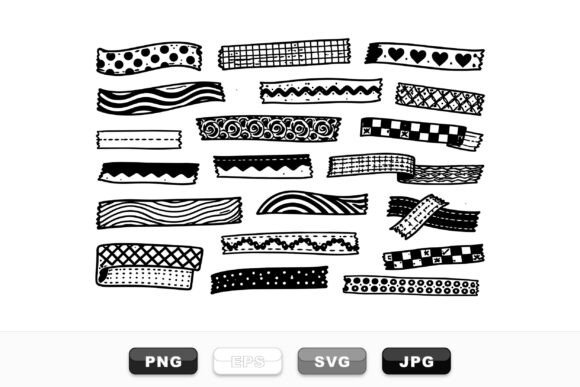
As a digital product creator who’s spent years selling on platforms like Etsy and print-on-demand services, I’ve learned that the right design asset can make or break your listing. When I first opened the ZIP file containing Hand Drawn Decorative Tape Strips, I was immediately drawn to its charm and versatility. This is a black and white vector set of whimsical washi tape patterns, designed with a top-down perspective that makes them ideal for scrapbooking and stationery projects. The playful nature of these strips gives them broad appeal across multiple niches, especially those leaning into handmade aesthetics or creative organization.
First Impressions: Mood and Niche Appeal
The visual personality of this graphic design asset is warm and artistic. It doesn’t scream bold modernism or minimalist elegance, but instead offers a subtle, handcrafted feel that many indie sellers are looking for. These washi tape illustrations have a clear target audience — crafters, planners enthusiasts, and small business owners who want to add a personal touch to their products without going overboard with color or detail.
I could already see this working well in seasonal collections, particularly around holidays or birthdays where decorative accents matter. The lines are crisp, the style is consistent, and the overall vibe feels both professional and approachable. For an online shop, that's a winning combination.
Testing Across Product Types: Where These Graphics Shine
One of the most important steps as a digital seller is testing your assets in real-world applications. Here’s how I would use Hand Drawn Decorative Tape Strips across different product types:
- SVG Products: The vector format ensures clean scaling, making it perfect for Cricut or Silhouette projects. Use it for planner stickers, label borders, or even packaging design elements.
- PNG Designs: The transparent PNGs are great for layered designs in Canva templates or blog graphics. They maintain clarity when overlaid on colored backgrounds.
- Clipart Bundles: These could be grouped with other similar washi tape designs to create a cohesive digital paper pack or stationery bundle.
- Printable Wall Art: The top-down layout works well for adding texture and visual interest to DIY printable art layouts.
- Greeting Cards & Invitation Templates: The playful yet elegant look fits beautifully as decorative accents in wedding invitations, birthday cards, or baby shower templates.
- T-Shirt Graphics: If you're creating t-shirt designs, the patterned strips can serve as subtle background textures or border elements.
- Mug and Tumbler Wraps: These designs add character to drinkware without overwhelming the space. Just ensure they’re not too intricate for smaller surfaces.
- Nursery Prints and Scrapbooking Kits: The whimsical style complements soft pastels and adds a handmade touch to curated kits.
- Seasonal Digital Downloads: Whether it's Halloween, Christmas, or New Year’s, these strips can be used to enhance themed bundles or mockups.
Enhancing Product Presentation with Decorative Layouts
Even if the asset itself is simple, how you present it matters. As someone who has sold thousands of digital downloads, I know that thumbnails and previews need to stand out in a sea of listings. The Hand Drawn Decorative Tape Strips help elevate your presentation by:
- Adding brand consistency to your creative marketplace offerings
- Improving listing images with decorative overlays and accents
- Supporting visual storytelling through layered designs in mockups
- Boosting perceived value by showing attention to detail in your products
- Increasing click-through potential when used in social media promos or email campaigns
These illustrations don’t just look good; they help tell a story. That’s especially useful for sellers in the handmade business sector, where authenticity and charm are key.
Where This Asset Works Best: Strategic Use Cases
There are several areas where Hand Drawn Decorative Tape Strips can truly shine:
- Large product previews: The detailed patterns show up best when given enough space to breathe.
- Themed design bundles: Pair them with matching SVG illustrations or PNG clipart for a more complete offering.
- Decorative layouts: Use them in scrapbooking kits, journaling pages, or planner inserts for added flair.
- Printable products: Ideal for digital paper packs, photo frames, or page dividers.
- Merchandise graphics: Especially for items like tote bags or calendars where texture and line work are appreciated.
- Social media templates: Add them to Instagram stories, Pinterest boards, or Facebook ads for a unique visual edge.
- Product mockups: Showcase them on mocked-up notebooks, journals, or greeting cards to give buyers a realistic preview.
- Digital download shops: These can be included as part of a larger illustration set or standalone asset.
- Creative marketplace listings: Their organic look helps differentiate your products from overly polished stock assets.
Use Carefully: Limitations and Considerations
While these werehi tape illustrations are highly versatile, there are some scenarios where they might not perform as well:
- Tiny sticker details: The patterns may lose clarity when scaled down too much.
- Overly complex layouts: Too many overlapping tapes can distract from the main message or design.
- Low-resolution prints: Always check how the JPG version looks before using it in physical products.
- Crowded thumbnails: Don't overload your Etsy or Shopify previews with too many tape elements.
- Dark backgrounds: Test them on various colors to ensure visibility and contrast.
- Text-heavy templates: Avoid placing tape designs directly over dense text blocks, as they may reduce readability.
- Clean cutting lines: Inspect SVG files carefully if you plan to use them in Cricut or Silhouette projects.
Practical Seller Notes: Before You Publish
Here are some actionable tips to help you evaluate whether these illustrations are ready for your storefront:
- Test on real mockups: See how the washi tape looks on actual product visuals like mugs, calendars, or greeting cards.
- Preview as a marketplace thumbnail: Make sure the design stands out at small sizes and conveys its purpose clearly.
- Check background compatibility: Try placing the PNGs on both white and dark tones to ensure adaptability.
- Test print colors: Print a sample on plain paper to verify that the black and white tones translate well in physical form.
- Verify PNG transparency: Make sure the alpha channel is intact for layered use in digital products.
- Inspect SVG cut quality: If you're targeting Cricut users, test the vectors in your software to confirm they cut cleanly.
- Confirm file resolution: JPG and PNG should be high enough for print-on-demand use, typically 300dpi or above.
- Organize files clearly: Present each tape variant in separate folders or layers so customers know what they're getting.
- Pair with fonts: These designs work well with serif, sans-serif, script, and handwritten font styles, depending on the tone you're aiming for.
- Confirm commercial licensing: Before publishing any finished product, always double-check the usage rights to avoid legal issues later.
Final Thoughts: Is This Worth Adding to Your Toolkit?
If you’re building a collection of design assets for a printable product line or preparing a new batch of digital downloads, the Hand Drawn Decorative Tape Strips offer a fresh, engaging way to add personality to your work. They’re especially suited for graphic design assets that lean into the handmade aesthetic, and they can easily become part of your brand identity if you're targeting a soft, creative niche.
However, as with any commercial design, it's crucial to understand their limitations. They won’t suit every project — especially ones requiring sharp precision or minimalistic simplicity — but for the right context, they bring a level of charm that's hard to replicate with generic stock graphics.
So, will I be using them in my next Etsy listing? Absolutely. But only after testing them across a few variations to ensure they align with the visual hierarchy and style of my existing products. That’s the mark of a seasoned digital seller — knowing when an asset enhances your offering and when it needs to be paired or adapted to fit better.