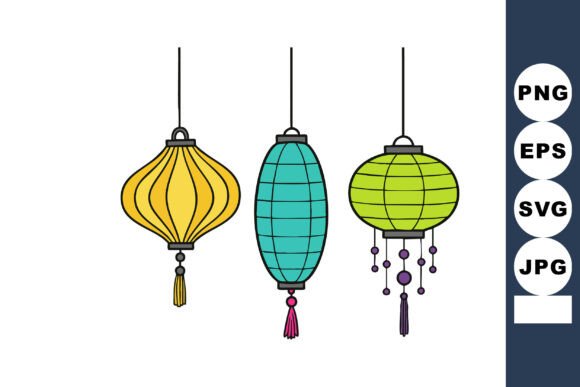
Decorative Yellow Blue Green Hanging Lan for Embroidery Projects
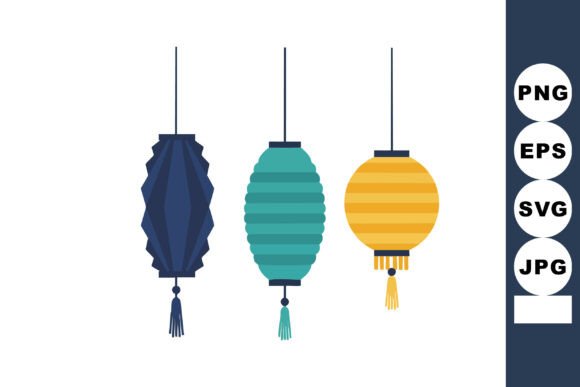
When I first opened the Decorative Yellow Blue Green Hanging Lan design, it immediately struck me as a versatile and cheerful illustration that could bring warmth to a variety of embroidery projects. The vector-style presentation of three hanging lanterns with tassels and beads in yellow, blue, and green is clean yet expressive. It’s the kind of design that evokes a sense of celebration—perfect for holiday gifts, personalized items, or adding a touch of whimsy to everyday products.
A Natural Fit for Custom Apparel and Tote Bags
I like to imagine this design stitched onto a custom embroidered tote bag for a boutique client. The bright colors and flowing tassels would make it stand out in a line of reusable bags. Since the design is composed of simple shapes and bold outlines, it translates well into satin stitch and fill stitch techniques, which are essential for machine embroidery on woven cotton or canvas. The visual layout feels balanced and not too cluttered, making it suitable for larger formats where details can breathe.
On sweatshirts, the same design works beautifully as a front panel graphic. The playful nature of the lanterns complements soft, cozy fabrics often used in casual wear. If you're an embroidery designer looking to create a standout piece for your Etsy listings, this could be a strong contender for a seasonal or event-themed item, such as a spring collection or a festival-inspired hoodie.
Thoughtful Design for Baby Items and Holiday Gifts
As a reviewer who often evaluates designs for baby embroidery, I found the Decorative Yellow Blue Green Hanging Lan to be surprisingly appropriate for infants' apparel and accessories. The color palette is gentle and vibrant without being overwhelming, and the overall theme suggests joy and festivity—ideal for baby blankets, onesies, or nursery decor. For a holiday gift, think of embroidered pillows or tea towels featuring these lanterns. They add charm without overcomplicating the piece.
Performance in Real-World Embroidery Scenarios
This design shines when applied to stable, medium-to-heavyweight fabrics. On tote bags, it looks great with a tight stitch density and minimal thread tension issues. For sweatshirt embroidery, using a high-quality stabilizer is key to maintaining clarity, especially if the fabric is slightly stretchy. The simplicity of the vector style ensures that even when scaled up, the details remain crisp and recognizable.
If you’re considering using this for an embroidered patch, keep in mind that the tassels and beads may require some manual tweaking depending on your machine. While the file includes SVG, EPS, JPG, and PNG formats, the actual embroidery file will need to be generated from these, so make sure you have the right tools for converting them accurately.
In craft business settings, this design could serve as part of a cohesive brand identity. Imagine using it across a range of small shop products—from aprons to pillow covers. Its consistent style and color scheme help reinforce a professional and thoughtful aesthetic, which is important for customer trust and product recognition.
Considerations for Texture and Fabric Choice
While the Decorative Yellow Blue Green Hanging Lan is visually appealing, it does come with a few practical considerations. The intricate tassels and bead-like accents might not hold up well on very thin or textured fabrics. For example, trying to embroider this on a delicate linen or burlap could lead to distortion or loss of detail. Always test the design on a scrap of your intended fabric before committing to a full project.
Also, be cautious when working with dark fabric backgrounds. The bright colors in the design rely heavily on contrast to remain visible and attractive. A black or navy backdrop might mute the vibrancy unless you use high-contrast thread colors. In such cases, a white background or light-colored fabric would better showcase the design’s cheerfulness.
Where This Design Might Need Adjustments
- Small hoop sizes: The detailed elements like tassels may be lost if the design is reduced too much. Consider simplifying or repositioning parts for smaller areas.
- Curved surfaces: Embroidering on caps or hats could cause misalignment due to the curvature. Test fit and possibly adjust the shape to conform to the surface.
- Frequent washing: If you plan to use this on kitchen towels or aprons that get washed regularly, ensure the design uses durable threads and has proper backing to prevent fraying.
- Dense stitch areas: Some sections of the lanterns may have higher stitch density, which could lead to puckering or stiffness if not properly supported with stabilizer.
Design Notes for Professional Use
Before integrating this design into any commercial embroidery project, take time to review its structure. Look at how each element stitches together—do the tassels flow smoothly? Are there areas where the fill stitch might bunch? These are critical questions for ensuring quality in the final product.
For digital product sellers, the included printable mockup files (JPG and PNG) are a bonus. They allow you to quickly visualize the design on various items and present realistic previews to potential buyers. Just remember to confirm licensing terms before selling anything based on the design, whether it's a finished handmade product or a digital template.
Thread selection is another key factor. The original design uses yellow, blue, and green, but don’t be afraid to experiment with other combinations to match your brand or client preferences. However, always test the thread colors on your chosen fabric to see how they appear after stitching. Sometimes, what looks good on screen doesn't translate perfectly to real-world embroidery.
Beyond the Stitch: Enhancing Product Value and Customer Engagement
What makes this design special isn’t just its appearance—it also enhances the perceived value of the product. As a machine embroidery design, it brings a level of professionalism that appeals to both hobbyists and small businesses aiming to elevate their offerings. When used correctly, it can increase buyer engagement by offering something unique and eye-catching.
For personalized gifts, the lanterns could be paired with names or dates added via lettering. That said, avoid placing tiny text near the tassels or beads, as those areas may already be too busy. Instead, reserve the main space for the lanterns and place any additional text at the bottom or side for better readability.
As a craft fair product, the design adds a festive flair that could draw attention. Whether embroidered on a tote or printed on packaging, it gives off a handmade feel that resonates with shoppers looking for meaningful, artisanal items.
Brand Consistency and Giftability
One thing I appreciate about this design is how it maintains a consistent look across different applications. The clean lines and limited color palette mean it won’t clash easily with other design assets you may already have. This is especially helpful if you're building a brand identity or preparing a set of design assets for multiple products.
The giftability factor is high. Customers tend to respond positively to colorful, decorative motifs like these. It’s a design that feels intentional and joyful, which is exactly what you want for holiday gifts or wedding favors. That said, don’t forget to check the size and placement to ensure it doesn’t overwhelm the item it’s being embroidered on.
Final Thoughts for Practical Application
Overall, the Decorative Yellow Blue Green Hanging Lan is a solid choice for many embroidery projects, especially those requiring a cheerful and elegant motif. It works best on flat, medium-weight fabrics and should be tested for scale, fabric texture, and thread contrast before large-scale production. For Embroidery designers and creative entrepreneurs, this design offers flexibility and charm without sacrificing functionality.
Remember to always inspect the design thoroughly. Check the hoop size recommendations, confirm the compatibility of your machine, and verify that the embroidery file format supports your workflow. And most importantly, don’t skip the test stitch step—it can save you time, materials, and headaches later on.
With the right preparation, this design can become a valuable addition to your portfolio of custom apparel and handmade products. It’s a subtle yet impactful way to bring personality and professionalism to your work, while keeping things fun and approachable for your customers.