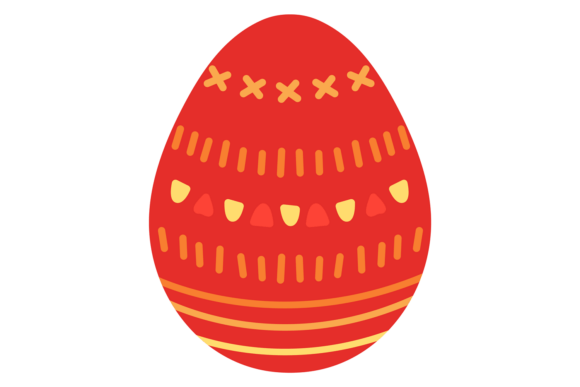
Decorative Egg Design: Easter Holiday Red Pattern Review
As an embroidery designer and product reviewer with years of experience in the craft industry, I always approach new designs with a critical eye. The Decorative Egg Design. Easter Holiday Red Pattern is no exception. When I first saw this design, it immediately struck me as a versatile and charming option for holiday-themed projects. Its isolated red pattern on a white background makes it easy to visualize how it might look stitched onto fabric or integrated into digital mockups. But what really matters is how it performs when put to real use—whether you're creating custom apparel, handmade gifts, or commercial embroidery items.
First Impressions and Visual Personality
The Decorative Egg Design brings a warm, festive energy to any project. With its stylized red egg motif, it evokes classic Easter imagery while maintaining a modern, graphic appeal. The layout is clean and centered, making it suitable for both small and large-scale applications. The level of detail is just right—not too busy, but enough to make the design visually engaging. It has a bold, confident presence that suggests it would work well as a standalone feature rather than blending into a sea of other elements.
What I appreciate most about this design is its adaptability. Whether you're using it for a sweatshirt embroidery, an embroidered patch, or even a nursery decor piece, it retains its visual charm. The red color is rich and vibrant, which means it should stand out nicely on light-colored fabrics. However, if you're planning to stitch it on darker backgrounds, you’ll want to consider thread color contrast carefully to maintain visibility.
Real-World Use Scenarios
I often test embroidery designs by imagining them on actual products. For example, picture stitching the Decorative Egg Design onto a custom tote bag design for your Etsy shop. This design would add a pop of holiday cheer without overwhelming the piece. It could also be used creatively on tea towels or kitchen aprons, especially if paired with minimal text or a small logo.
Another practical application is for custom apparel. I can see this design working beautifully on a long-sleeve sweatshirt or a cozy blanket, where the larger hoop size allows for full expression of the motif. The design’s simplicity also makes it ideal for holiday gifts like embroidered pillows or baby onesies, where a subtle yet meaningful touch is appreciated.
For handmade product creators and craft business owners, this design could serve as a signature element in seasonal collections. Think about adding it to personalized gifts such as monogrammed Easter cards or decorative gift tags. The transparent PNG format provided makes it easy to integrate into printable mockups or digital previews, so Etsy sellers can showcase their finished products effectively online.
Performance in Real Embroidery Situations
When considering machine embroidery design performance, one of the key factors is stitch clarity. The Decorative Egg Design uses a combination of fill stitch and running stitch techniques that seem well-balanced. There are no overly dense areas that might cause puckering or distortion, nor are there sections with sparse stitching that might lose definition after washing.
That said, the design does have some fine details along the edges of the egg shape. These will require careful attention during the setup process. If you're using this on a curved surface like a cap or hat, you may need to adjust the placement or scale slightly to ensure the proportions remain true. On flat surfaces like tote bags or pillow covers, it stitches smoothly and maintains its intended shape.
If you're working with textured or stretchy fabrics, keep in mind that the stitch density and thread tension can affect the final appearance. I recommend testing the design on a scrap piece of your target fabric before committing to a full production run. Using the appropriate stabilizer is also crucial here, particularly if you're embroidering on thin materials like cotton or linen.
Where to Use Carefully
While the Decorative Egg Design is adaptable, there are certain situations where caution is needed:
- Small hoop sizes: The design has a decent footprint, so it won’t fit well in very tiny hoops. If you plan to use it in a compact format, consider simplifying the layout or scaling down only slightly to avoid losing important visual elements.
- Dark fabric: The red tones might not pop as expected on black or navy backgrounds. Try using a white underlay or a contrasting thread shade to enhance visibility.
- Stretchy or thin fabrics: These can distort the shape or cause thread breakage, especially in the more detailed parts of the design. A proper stabilizer and possibly a lower stitch density will help mitigate these issues.
- Products needing frequent washing: While the design appears durable, repeated washing may dull the colors over time. Always test wash samples before offering the item for sale or gifting.
Impact on Product Value and Customer Appeal
In terms of product value, the Decorative Egg Design adds a professional and polished touch. Customers who receive a personalized item with this motif will likely associate it with quality and care, especially during the Easter season. As a holiday embroidery design, it has strong giftability and recognition potential, which is great for small shop products and boutique branding efforts.
From a branding perspective, the design supports consistency in themed collections. If you're building an Easter line of apparel decorators or home décor, this pattern can become a recurring visual anchor that customers come to expect and appreciate. Its clear visual identity helps build trust and professionalism, which is essential for commercial embroidery ventures.
On handmade presentations, the design elevates the overall aesthetic. It feels intentional and refined, which speaks volumes about the care taken in the creation process. This is particularly valuable for craft fair products or personalized gifts, where presentation plays a big role in buyer engagement.
Designer Notes and Best Practices
Before moving forward with the Decorative Egg Design in any embroidery project, here are some practical tips from my own workflow:
- Test on scrap fabric first: Especially if you're using it for a commercial product or client order, a sample stitch-out is worth the time. It shows how the design holds up post-washing and after being worn or used.
- Check thread color contrast: Make sure the red stands out against your chosen fabric. Consider alternatives if the base fabric is dark or heavily dyed.
- Review stitch density: The balance between fill and running stitches seems good, but every machine reacts differently. Adjust the settings based on your fabric type.
- Confirm hoop size: Ensure your hoop can accommodate the design’s dimensions. You don’t want to compromise on scale to fit the hoop.
- Inspect small details: Look at the corners and outlines closely. Any tiny lines or curves should hold up well across different fabric types.
- Test in black and white mockups: Sometimes color can be misleading. Seeing the design in grayscale helps assess whether it still looks appealing on non-color-matching backgrounds.
- Compare light and dark fabric backgrounds: The design is optimized for white, but seeing how it behaves on other colors gives you better insight into its versatility.
- Use proper stabilizer: Depending on the fabric, tear-away, wash-away, or cut-away stabilizers may be necessary to prevent puckering or stretching.
- Confirm licensing: Since this is a digital embroidery file, verify the license terms before selling finished items or digital assets. Some files are strictly for personal use, while others allow commercial applications.
Final Thoughts
The Decorative Egg Design. Easter Holiday Red Pattern is a solid addition to your design library if you're looking for something that balances tradition with a contemporary feel. Its clean structure and rich color make it a standout choice for a variety of handmade shop owners and creative entrepreneurs aiming to create memorable Easter-themed items.
It’s not a one-size-fits-all solution, though. Take the time to understand how it interacts with your specific materials and machines. Once you do, you’ll find it enhances your finished product with a sense of occasion and elegance that your customers will love. Just remember to stitch smart, test thoroughly, and choose your application wisely for the best results.